
Japanese aesthetics, renowned for their minimalist elegance and deep connection to nature, now find a refined expression in the art of tabletop plant displays. From meticulously crafted ceramic pots to carefully selected plants, this exploration delves into the nuances of choosing and styling Japanese plant pots for tables. Understanding the historical and cultural context behind these designs reveals a fascinating interplay between tradition and contemporary interpretation.
This guide will unpack the key elements of creating a visually stunning and harmonious display, including pot types, placement strategies, and plant pairings. We’ll also explore the essential accessories and maintenance tips to ensure longevity and beauty for your chosen Japanese plant pot.
Defining Japanese Style
Japanese design, deeply rooted in centuries of cultural and philosophical traditions, is characterized by a profound respect for nature and a commitment to minimalism. This aesthetic sensibility permeates all aspects of Japanese life, from tea ceremonies to the design of everyday objects, including table-top plant pots. This refined approach emphasizes the inherent beauty of simplicity and the harmony between human activity and the natural world.Japanese aesthetics are deeply intertwined with the nation’s rich history and cultural values.
The concept of “wabi-sabi,” for example, embraces the beauty of imperfection, impermanence, and natural simplicity. This philosophy resonates strongly in the design of plant pots, often emphasizing the natural textures and subtle nuances of the materials used.
Aesthetic Elements
Japanese design frequently incorporates elements that evoke the natural world. These include flowing lines, organic shapes, and muted color palettes. Natural materials such as bamboo, wood, and stone are commonly used, often showcasing the inherent beauty of the material itself. The interplay of light and shadow is also crucial, creating a sense of depth and serenity in the design.
The concept of “ma,” or negative space, plays a vital role, allowing for a sense of balance and tranquility.
Historical and Cultural Influences
Historical and cultural influences have profoundly shaped Japanese plant pot design. The reverence for nature, stemming from centuries of Shinto beliefs and Buddhist philosophies, has led to a strong emphasis on integrating natural elements into the design process. Traditional Japanese gardens, with their meticulously crafted landscapes, provide a powerful example of this harmonious integration of nature and design.
The aesthetic principles of “wabi-sabi” and “yugen” (subtle beauty) are key to understanding this integration, which translates into the design of pots, emphasizing simplicity and understated elegance.
Principles of Minimalism and Naturalism
The principles of minimalism and naturalism are central to Japanese aesthetics. Minimalism emphasizes the essential elements, eliminating unnecessary ornamentation and focusing on the inherent beauty of the form and material. Naturalism seeks to capture the essence of nature, creating designs that reflect the organic forms and textures of the natural world. These principles are clearly reflected in Japanese plant pots, which often feature simple shapes, natural materials, and a focus on the interplay between the pot and the plant within it.
Translation to Table-Top Plant Pots
These principles translate directly to the design of table-top plant pots. The pots are often crafted from natural materials like ceramic, wood, or stone, showcasing the inherent beauty of the material. Simple shapes, such as round, square, or oblong forms, are common, with a focus on creating a sense of balance and harmony with the surrounding environment. The muted color palettes and the emphasis on natural textures and patterns contribute to a sense of tranquility and visual serenity, allowing the plant to be the focal point.
Materials Commonly Used
The materials employed in Japanese plant pots often derive from natural sources, reflecting the deep connection with nature. This commitment to natural materials extends to the pots themselves, contributing to a sense of harmony and sustainability.
- Ceramics: Glazed or unglazed ceramic pots, often featuring simple shapes and muted color palettes, are a common choice. The inherent beauty of the clay and the subtle variations in color and texture are highlighted.
- Wood: Wooden pots, often made from bamboo or other natural woods, showcase the warm tones and natural grain of the material. Their organic forms complement the natural beauty of the plants.
- Stone: Stone pots, often carved or polished, provide a sense of solidity and permanence, reflecting the natural beauty of the earth. The rough texture and varied colors of the stone are often highlighted.
- Metal: Metal pots, particularly those crafted from copper or iron, are less common, but when used, often feature a subtle patina or a matte finish that complements the plants.
Types of Japanese Plant Pots for Tables
Japanese plant pots, meticulously crafted for aesthetic harmony and practicality, offer a diverse range of styles, materials, and sizes to suit various table arrangements. Their ability to seamlessly integrate into both traditional and modern settings speaks to their enduring appeal. These pots transcend mere containers; they are integral components of the overall presentation, enhancing the beauty and serenity of the space.Understanding the nuances of Japanese plant pot styles allows for a deeper appreciation of the meticulous craftsmanship and thoughtful design principles inherent in their creation.
From the subtle variations in ceramic glazes to the deliberate shaping of the pot itself, each element contributes to the overall aesthetic. Different materials, sizes, and shapes evoke specific moods and complement the plant’s natural beauty, elevating the entire display.
Shapes and Sizes
Japanese table pots come in a variety of shapes, catering to diverse aesthetic preferences. Round pots, reminiscent of natural forms, often convey a sense of tranquility and simplicity. Square or rectangular pots, on the other hand, offer a more structured and modern feel. Elliptical or asymmetrical shapes add dynamism and visual interest. Sizes vary significantly, from miniature pots perfect for small plants to larger, statement pieces that can anchor a table setting.
The appropriate size depends heavily on the size and type of plant being showcased.
Materials
Ceramic, porcelain, and other materials play distinct roles in shaping the visual character of a Japanese plant pot. Ceramic pots are often lauded for their earthy tones and textures, providing a connection to nature. Their porous nature can also affect the moisture retention of the plants. Porcelain, known for its smooth surface and delicate appearance, lends a refined and elegant touch.
The choice of material often reflects the specific aesthetic desired and the type of plant being cultivated. Wooden pots, for instance, bring a warm and natural element to the display, while metal pots introduce a contemporary or industrial edge.
Traditional vs. Contemporary Designs
Traditional Japanese plant pots emphasize natural forms and subtle color palettes. Glazes, often muted or earth-toned, harmonize with the surrounding environment. The shapes are usually organic, reflecting a deep connection to nature. Contemporary designs, however, may incorporate more pronounced forms and bold colors. These pots might feature innovative glazing techniques or unconventional materials, reflecting a more modern aesthetic.
Table Pot Types
| Pot Type | Material | Shape | Size | Description |
|---|---|---|---|---|
| Traditional Shino Ware | Ceramic | Round, slightly irregular | Small to Medium | Hand-thrown ceramic pots with a matte, slightly rough surface, often exhibiting natural variations in color and texture, showcasing the imperfections of the craft. |
| Contemporary Glazed Ceramic | Ceramic | Cylindrical | Medium | Sleek, modern pots with a smooth finish and vibrant, glossy glazes in deep blues, greens, or reds. |
| Porcelain Sakura Blossom | Porcelain | Elliptical | Small | Delicate porcelain pots, often adorned with subtle floral or leaf patterns, perfect for delicate succulents or bonsai trees. |
| Raku Ware | Ceramic | Asymmetrical, irregular | Small to Medium | Earthenware pots with a unique, often blackened surface, highlighting the beauty of the firing process, and providing a rustic touch. |
| Wooden Square Planter | Wood | Square | Large | Hand-crafted wooden planters with natural wood grain, ideal for larger plants, evoking a sense of tranquility and warmth. |
Pot Placement and Styling
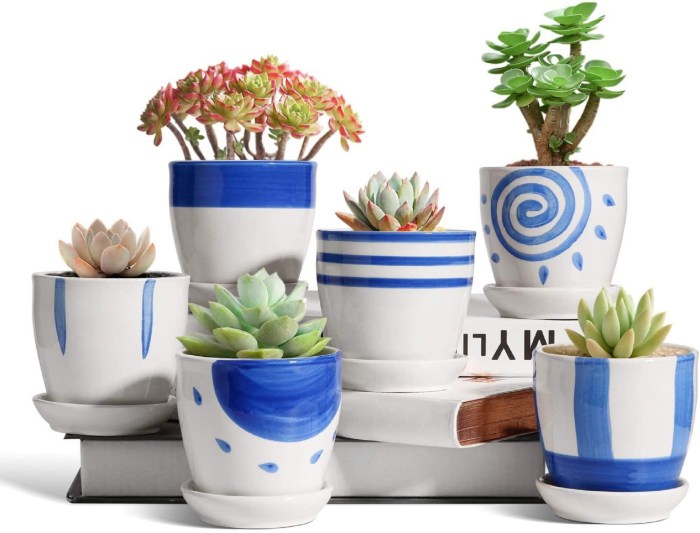
The placement of a Japanese plant pot on a table isn’t merely about aesthetics; it’s a nuanced expression of Japanese design principles. Careful consideration of the pot’s position, alongside the surrounding elements, creates a harmonious and balanced composition that speaks volumes about the space’s intended mood. This goes beyond simply placing a pot; it’s about curating a visual narrative.Careful arrangement of the pot on the table fosters a sense of tranquility and contemplation, aligning with the core tenets of Japanese aesthetics.
The careful positioning of the pot, in conjunction with other elements, influences the overall atmosphere of the space. It’s not just about the pot itself, but the interplay of elements that cultivates the desired mood.
Importance of Appropriate Placement
The placement of a Japanese plant pot on a table directly impacts the visual narrative. Strategic placement creates a focal point, drawing the eye and inviting contemplation. A poorly placed pot can disrupt the balance of the arrangement, detracting from the overall aesthetic. The position of the pot should consider the surrounding elements and the desired atmosphere.
Principles of Balancing and Harmony
Balancing and harmony are fundamental to Japanese table arrangements. Visual weight is distributed equally, creating a sense of equilibrium. This includes the pot’s size and shape, the plant’s form, and the surrounding objects. The arrangement should flow naturally, with no jarring elements. The principle of “ma” – the negative space – is crucial, allowing the pot and plant to breathe and stand out.
Examples of Table Settings
Several table settings demonstrate the incorporation of Japanese plant pots. A simple arrangement might feature a single, small, minimalist pot with a succulent, positioned centrally on a low table. This emphasizes the pot’s form and the plant’s resilience. A more elaborate arrangement could incorporate multiple pots of varying sizes and styles, strategically placed to create a layered visual effect.
The pots could be interspersed with decorative items, such as small, intricately carved bowls or carefully selected stones, to enhance the overall aesthetic.
Role of Color and Texture
Color and texture play a crucial role in creating a harmonious atmosphere. Neutral colors like earth tones are often used to highlight the plant and pot, allowing the natural beauty of both to shine. The texture of the pot, whether smooth, rough, or glazed, contributes to the overall aesthetic. The plant’s foliage texture, too, should be considered in relation to the pot’s texture.
Relationship Between Pot and Plant
The relationship between the pot and the plant is crucial. The pot should complement the plant’s form and foliage. A large, robust pot might suit a large, leafy plant, while a small, delicate pot would be more appropriate for a smaller, more delicate plant. The plant should be chosen to complement the pot’s design, creating a harmonious pairing.
The size and shape of the plant should be in proportion to the size and shape of the pot. Consideration should also be given to the plant’s growth habits and the pot’s capacity to accommodate them. For example, a pot with a narrow, tall shape may be suitable for a slender, climbing plant, while a wider, shallower pot would be more suitable for a bushy, spreading plant.
Matching Plants to Pots
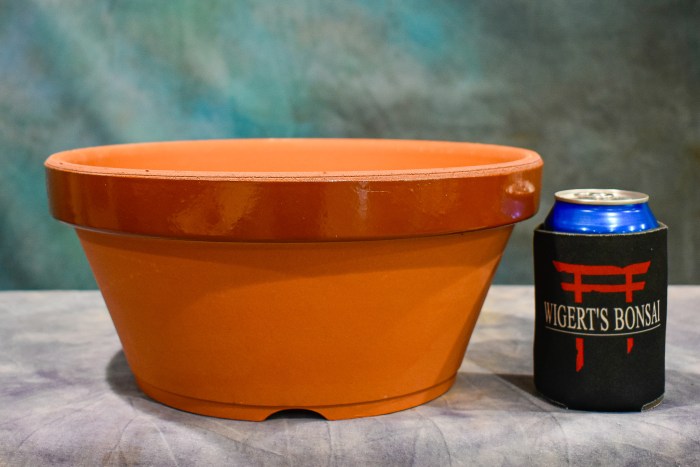
Japanese-style table pots, with their often minimalist aesthetics, demand plants that complement their refined forms. The right plant choice elevates the entire presentation, harmonizing the natural beauty of the greenery with the artistic design of the pot. Selecting plants that thrive in the conditions provided by the pot, and that also enhance the visual appeal, is crucial for a successful display.The careful consideration of plant size, growth habit, and care requirements is paramount in achieving a harmonious aesthetic.
Proper matching ensures the plant thrives within its container and complements the pot’s form and character. Furthermore, selecting plants appropriate for the season enhances the visual impact of the arrangement.
Plant Types for Japanese-Style Pots
A variety of plants, known for their low-maintenance needs and aesthetically pleasing forms, can be effectively displayed in Japanese-style table pots. These include air plants, succulents, ferns, bonsai, and miniature orchids. The compact nature of these plants allows for a natural integration with the often smaller dimensions of the pots.
Plant Size and Growth Habits
The size of the plant should be proportionate to the pot’s dimensions. A large plant in a small pot overwhelms the vessel, disrupting the aesthetic harmony. Conversely, a tiny plant in a large pot may appear lost and less visually appealing. Considering the mature size and growth habit of the plant is critical. For example, a rapidly growing vine might not be appropriate for a small, static pot.
Plant Care Needs and Pot Features
Plants with similar light and water requirements should be grouped together in a display. Matching plants to pots requires understanding the pot’s features. For instance, a glazed pot might retain moisture longer than an unglazed one, impacting the plant’s water needs. Consider the pot’s drainage capabilities. Some pots have built-in drainage holes, which influence the frequency of watering.
A plant that thrives in consistently moist soil might not flourish in a pot without adequate drainage.
Seasonal Plant Selection
Seasonal plant selection is vital for visual interest. Spring and summer bring vibrant blooms and lush foliage. Consider flowering plants with delicate blooms or vibrant colors to complement the season’s energy. In autumn, consider plants with fall foliage colors or ornamental grasses that add texture and visual interest. Winter brings a chance to highlight the structural elements of plants and their foliage.
Displaying the Plant Within the Pot
The placement of the plant within the pot is crucial. Avoid overcrowding. Properly spaced plants enhance the visual appeal and prevent the plants from competing for resources. Ensure the plant’s foliage is evenly distributed and not hidden by the pot’s form. Consider using decorative elements like small stones or pebbles to create visual interest and balance.
A well-placed plant adds a dynamic element to the display, making it a centerpiece that reflects the beauty of nature and the craftsmanship of the pot.
Japanese Table Pot Accessories
Elevating the aesthetic of Japanese-style table plants goes beyond the pot itself. Carefully selected accessories can transform a simple arrangement into a serene and sophisticated display. Trays and stands, in particular, play a crucial role in achieving this effect, adding a layer of visual interest and practicality.Japanese aesthetics prioritize a sense of balance and harmony, extending to the space surrounding the plant.
The choice of accessories contributes significantly to the overall ambiance, reflecting the principles of minimalism and natural beauty inherent in the culture. By thoughtfully considering trays, stands, and other decorative elements, one can deepen the appreciation of the plant and its surrounding environment.
Trays and Stands
Trays and stands are essential for enhancing the presentation of Japanese plant pots on tables. They provide a structured foundation, allowing the pot to stand out and maintain a balanced visual composition. They also help to define the space around the plant, directing the viewer’s eye and creating a sense of contained serenity. Additionally, trays and stands protect the table surface from potential water spills.
Decorative Elements
Beyond trays and stands, a range of decorative elements can complement the Japanese aesthetic. These elements can include miniature decorative items like sculpted stones, ceramic figurines, or carefully chosen pebbles. These additions add texture and depth, drawing the eye while remaining in harmony with the plant’s natural beauty. The selection of these elements is crucial; they should not overwhelm the plant but rather subtly enhance its presence.
The choice of material and color is equally important, ensuring a cohesive and harmonious look. For instance, using a natural stone tray with a muted color scheme and a simple, elegant ceramic figurine can create a serene and peaceful ambiance.
Table Design Illustration
The following table showcases examples of combinations of Japanese table pots, trays, and accessories, highlighting the principles of balance and harmony:
| Pot | Tray | Accessories |
|---|---|---|
| Small, ceramic, dark gray pot with a simple, elegant design | Rectangular, natural stone tray, muted gray and beige | A single, polished black stone, a small, minimalist ceramic figurine of a crane, a few small, natural-colored pebbles |
| Mid-sized, earthenware pot, muted brown | Round, bamboo tray, natural color | Small, natural-colored wooden box with a few dried flowers, a small, ceramic bonsai-style tree |
| Small, white porcelain pot with a delicate pattern | Square, lacquered wood tray, dark brown | A few small, polished white stones, a small, hand-painted ceramic bird, a small branch with leaves |
These examples illustrate how thoughtful choices in accessories can transform a simple plant arrangement into a tranquil and aesthetically pleasing display, reflecting the essence of Japanese design principles.
Care and Maintenance
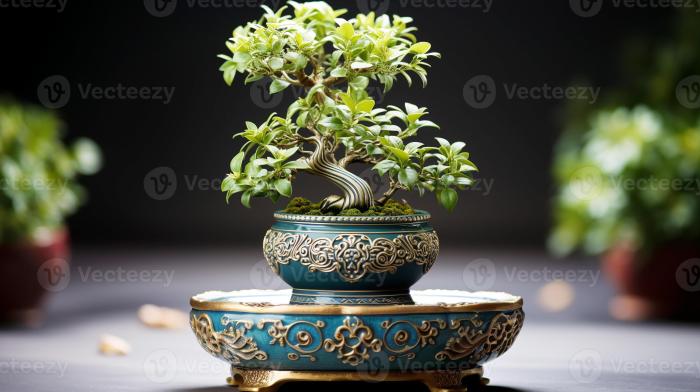
Japanese table pots, with their exquisite craftsmanship and aesthetic appeal, require meticulous care to preserve their beauty and extend the life of the plants they house. Proper maintenance ensures the pots retain their aesthetic integrity and allows the plants to thrive, enhancing the overall harmony of the space. Different materials necessitate specific care regimens, and understanding these nuances is key to maintaining the beauty and longevity of these delicate objects.Maintaining Japanese table pots involves more than just cleaning; it encompasses a holistic approach to preserving the integrity of the pot and the well-being of the plants.
This includes understanding the material, employing appropriate cleaning techniques, and appreciating the specific needs of the plants. This care regimen ensures the beauty and longevity of both the pot and its botanical inhabitant.
Material-Specific Care
Different materials demand varied care routines. Ceramic pots, often glazed, benefit from gentle cleaning with mild soap and water. Avoid harsh scrubbing, which can damage the glaze or the pot itself. Wooden pots, while visually appealing, require careful handling to prevent warping or damage from moisture. Wipe them down with a damp cloth and allow them to air dry completely.
Stoneware pots, durable and attractive, can withstand more rigorous cleaning than ceramic or wooden options, but still benefit from gentle cleaning. Ensure the water drains properly to avoid waterlogging.
Cleaning and Maintenance Best Practices
Regular cleaning is crucial for maintaining the aesthetic appeal and longevity of Japanese table pots. A soft cloth or sponge, dampened with a mild, non-abrasive cleaner, is ideal for most surfaces. Avoid using harsh chemicals or abrasive materials, which can scratch the surface or damage the finish. After cleaning, allow the pot to air dry completely to prevent water stains or mold growth.
Plant Maintenance in Japanese Pots
Plants housed in Japanese table pots require careful attention to their specific needs. Understanding the type of plant is crucial for determining its watering and light requirements. Overwatering or underwatering can quickly compromise the health of the plant, negatively impacting its appearance. Consistent monitoring and appropriate adjustments to watering schedules based on the plant’s specific needs are paramount.
Fertilizing, pruning, and pest control are equally important, each contributing to the plant’s overall well-being.
Preventing Common Problems
Addressing potential issues proactively is key to maintaining healthy plants and preserving the beauty of the pots. Overwatering is a common issue, leading to root rot and plant decline. Underwatering can also cause problems, leading to wilting and eventual death. Careful monitoring of soil moisture levels and adjusting watering schedules accordingly can prevent these problems. Pest infestations, while common, can be addressed through timely intervention.
Inspect plants regularly for signs of pests and implement appropriate pest control measures. Protecting plants from direct sunlight and harsh temperature fluctuations can also prevent problems.
Cleaning Supplies
- Soft cloths or sponges: Essential for delicate cleaning of various materials.
- Mild dish soap: A non-abrasive option for general cleaning.
- Water: Used for rinsing and diluting cleaning solutions.
- Gentle plant-safe cleaner: A specific cleaner tailored for plant health.
- Specialized tools for different materials: Depending on the pot’s material, additional tools such as brushes or specific cleaning solutions may be necessary.
Maintaining the beauty of Japanese table pots requires understanding the materials, implementing appropriate cleaning techniques, and ensuring the well-being of the plants they house. A proactive approach to preventing common problems is key to preserving the beauty and longevity of these exquisite pieces.
Historical Context
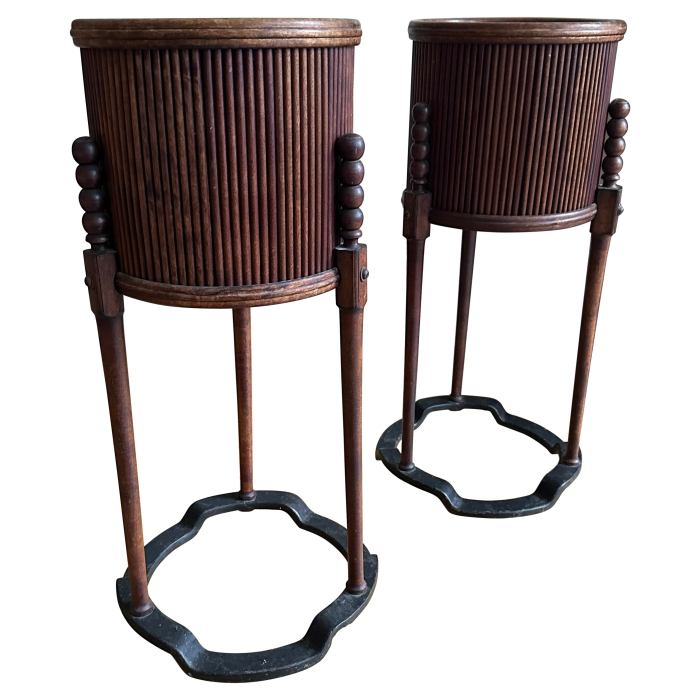
Japanese pottery, a cornerstone of the country’s aesthetic and cultural heritage, boasts a rich history deeply intertwined with its artistic traditions. From humble beginnings to sophisticated masterpieces, the craft has evolved through centuries, influencing not only pottery but also the design and appreciation of everyday objects, including plant pots.The journey of Japanese pottery reflects the nation’s cultural evolution, mirroring periods of political and social change.
The artistry of plant pot design has mirrored these changes, evolving from functional containers to exquisite works of art, imbued with symbolic meaning and craftsmanship.
A Brief History of Japanese Pottery
Japanese pottery, with its emphasis on simplicity, elegance, and functionality, has a history spanning millennia. Early pottery, often unearthed from archaeological sites, showcased a pragmatic approach to vessel creation. The development of kilns and techniques led to the evolution of styles and materials, shaping the distinct aesthetic that characterizes Japanese pottery today. Key periods in Japanese pottery history demonstrate a progression from functional to aesthetic forms, influenced by evolving artistic and cultural values.
Evolution of Plant Pot Design
The design of plant pots in Japan has mirrored broader trends in pottery. Early examples were likely simple, functional vessels, reflecting the practical needs of farmers and households. As the craft developed, pots transitioned from purely utilitarian objects to more decorative and artistic pieces. The introduction of new materials and techniques allowed potters to create elaborate forms and surface decorations.
This evolution showcases the gradual shift from practicality to artistry, reflecting broader societal shifts. The refinement of techniques like raku firing and the rise of specific styles like Imari, for instance, introduced distinctive designs that significantly impacted plant pot aesthetics.
Cultural Significance of Plant Pots in Japan
Plant pots in Japan hold more than just a functional role. They embody a profound cultural significance, serving as vessels for expressing nature’s beauty and the appreciation of simplicity. From Zen gardens to domestic spaces, the placement and selection of a plant pot carry symbolic weight. The harmonious blend of nature and design underscores the cultural value of mindful living.
The use of natural materials, like clay, reinforces the connection to the earth and natural aesthetics, a theme central to Japanese culture. For example, a meticulously crafted pot placed in a home reflects not just the owner’s aesthetic preferences but also a deeper appreciation for the beauty and tranquility found in nature.
Role of Craftsmanship in Traditional Japanese Pottery
The quality of Japanese pottery, including plant pots, is inextricably linked to the mastery of its craft. Traditional Japanese potters are highly skilled artisans who have meticulously honed their craft over generations. This dedication to craftsmanship is evident in the attention to detail, the careful selection of materials, and the mastery of firing techniques. Each pot, reflecting the hands of the artisan, is a testament to the value of meticulous work.
For instance, the subtle variations in glaze application or the delicate shaping of the pot body highlight the meticulous care and respect for the craft, echoing Japanese cultural values. The emphasis on craftsmanship elevates the plant pot from a simple vessel to a tangible work of art.
Modern Interpretations
Traditional Japanese aesthetics, deeply rooted in minimalism and natural harmony, continue to inspire contemporary design. Modern designers are reinterpreting these principles, infusing them with innovative materials and techniques to create strikingly contemporary plant pots for tables. This fusion retains the core elements of Japanese design while pushing boundaries and appealing to a wider audience.Modern interpretations often involve a reimagining of the balance between form and function.
Designers explore the interplay of materials and shapes, while maintaining the core tenets of simplicity, elegance, and a connection to nature. These interpretations emphasize the importance of understated beauty, allowing the plant itself to take center stage.
Fusion of Materials and Design
Contemporary table pots frequently incorporate a range of materials that seamlessly blend with traditional Japanese design. Ceramic, a classic material in Japanese pottery, is often given a modern twist through innovative glazes and surface treatments. The use of natural materials like wood, bamboo, and stone, paired with sleek metal finishes, further reinforces the connection to nature. These elements can be seen in a myriad of shapes, from simple geometric forms to organically inspired silhouettes.
Examples of Contemporary Designs
Several contemporary designs effectively incorporate Japanese aesthetics. One example is a series of pots crafted from recycled ceramic, showcasing a conscious environmental ethos alongside a sleek, modern aesthetic. Another example involves a collection of pots made from polished concrete, echoing the raw beauty of natural stone while offering a robust, contemporary feel. These designs often employ minimalist forms, allowing the plant’s natural beauty to be showcased.
Additionally, there’s a growing trend in utilizing transparent materials like glass or acrylic, which highlights the plant’s growth while still maintaining the subtlety of Japanese design.
Maintaining Core Principles
Modern interpretations of Japanese table pots strive to maintain the fundamental principles of Japanese aesthetics. This includes prioritizing simplicity and functionality, where the pot serves as a backdrop rather than a dominating feature. The focus on natural materials and subtle forms, along with a deep respect for craftsmanship, remain integral to these designs. These core principles are essential to the enduring appeal of Japanese aesthetics.
The pots, while contemporary, maintain the essence of simplicity and natural beauty, evoking a sense of calm and serenity.
Shopping Guide
Navigating the world of Japanese-style table pots requires a discerning eye and a robust understanding of quality. Authenticity and craftsmanship are paramount, influencing both the aesthetic appeal and the long-term value of these decorative pieces. This guide will equip you with the knowledge to identify reliable sources, evaluate quality, and ultimately find the perfect pot for your home.Understanding the market landscape for these pots is key to making informed purchases.
Price points vary widely, reflecting differences in materials, craftsmanship, and design complexity. Reliable sources are essential to ensure both the quality and authenticity of the piece.
Reliable Sources for Purchasing
Authentic Japanese-style table pots are available through a variety of channels. Specialty Asian art retailers and online marketplaces often feature curated collections, providing access to a wider range of styles and artisans. Local antique shops and galleries, while potentially more limited in selection, may offer unique, handcrafted pieces and often provide valuable insight into the history and provenance of the pot.
Direct contact with Japanese potters or their representatives is another route, though potentially more challenging to access.
Evaluating Quality and Authenticity
The quality of a Japanese-style table pot is determined by factors beyond mere aesthetics. The craftsmanship, materials used, and overall construction are crucial considerations. Examine the glaze for even application and the absence of imperfections like bubbles or cracks. Look for meticulous attention to detail in the carving or shaping, indicating skilled craftsmanship. The weight of the pot, relative to its size, can also suggest the density and quality of the materials used.
Research the potter or maker’s reputation, seeking out artisans known for high-quality work.
Online Retailers
Online retailers provide a convenient way to explore various Japanese-style table pots. However, due to the complexities of international shipping and the potential for counterfeiting, it’s essential to conduct thorough research.
| Retailer | Pot Styles | Price Range |
|---|---|---|
| Etsy | Various styles, from simple to elaborate, often handcrafted | $20-$500+ |
| Amazon | Wide selection, but quality control may vary; some sellers specialize in Japanese imports | $15-$1000+ |
| Japan-focused online shops (e.g., Rakuten, Japanese auction sites) | Wide range, including contemporary and antique pieces; authenticity more readily verified | Variable, depending on age and condition; often higher end |
| Specialty Asian art retailers (online and physical) | Curated selections, potentially featuring rare or antique pieces | $50-$5000+ |
Note: Price ranges are estimates and can vary significantly based on size, materials, craftsmanship, and condition.
Image Inspiration
Japanese table pots, imbued with a sense of tranquility and artistry, are often presented in visually captivating imagery. These images, carefully curated, serve as powerful tools for understanding and appreciating the aesthetic and cultural significance of this traditional form of pottery. The visual appeal extends beyond mere decoration; it embodies the Japanese philosophy of harmony and balance between the plant and its container.Visual appeal in Japanese table pot imagery transcends simple aesthetics; it’s deeply rooted in the principles of minimalism, natural beauty, and meticulous craftsmanship.
The interplay of light and shadow, the careful selection of plants, and the harmonious integration of the pot into the surrounding environment contribute to a visually satisfying experience. The compositions in these images are not random; they are carefully constructed to evoke specific emotions and create a sense of serenity.
Visual Characteristics of Images
Japanese table pot imagery showcases a wide range of aesthetic choices. The pots themselves are often crafted from natural materials like ceramic, with subtle glazes or unadorned surfaces, emphasizing the inherent beauty of the material. Plants, meticulously selected for their form, texture, and color, complement the pots, creating a visual harmony. Images often feature a single plant in a single pot, emphasizing the simplicity and elegance of the design.
This emphasis on simplicity, combined with the natural beauty of the plants and pots, allows for the inherent aesthetic of each element to shine through. The focus on these core elements allows the viewer to appreciate the beauty of the Japanese design aesthetic.
Lighting and Composition
Images often use soft, diffused light to highlight the textures and colors of the plants and pots. Natural light, filtered through a window or diffused by sheer curtains, is frequently employed to create a warm and inviting atmosphere. The composition is carefully arranged, often featuring a central focus point, with elements subtly leading the viewer’s eye through the image.
This intentional composition draws attention to the harmony between the pot and the plant. Negative space is often utilized to emphasize the serenity of the scene, highlighting the subtle details of the pot and plant. The arrangement of the pot and plant within the image emphasizes the relationship between the two elements.
Mood and Feeling Evoked
The images frequently evoke a sense of tranquility and peace. The calm, serene atmosphere is often enhanced by the subtle use of natural elements like wood or bamboo, and the soft, diffused lighting. The overall mood is one of contemplation and appreciation for the beauty of nature. Images featuring plants like bonsai, ferns, or orchids often amplify the sense of tranquility and stillness.
The images aim to provide a calming and meditative atmosphere, allowing the viewer to connect with the natural beauty and artistry of Japanese aesthetics. The careful selection of elements contributes to a mood of serene contemplation, inviting the viewer to appreciate the beauty of the natural world.
Visual Representation
Japanese plant pots, with their elegant simplicity and nuanced artistry, demand a visual presentation that reflects their aesthetic depth. A well-designed webpage or brochure should seamlessly guide viewers through the various styles and applications of these captivating vessels. The design should not just display the pots, but also evoke the feeling of a serene Japanese garden, inviting contemplation and appreciation.The visual hierarchy and layout are critical to a successful presentation.
A strong focal point, perhaps a captivating image of a meticulously arranged pot on a table, is essential to immediately draw the viewer’s attention. This focal point should be paired with a clear, concise, and well-organized layout, allowing the viewer to easily navigate through the different sections of the brochure.
Design Elements for a Japanese Plant Pot Brochure
The brochure’s design should employ a color palette evocative of traditional Japanese aesthetics. Muted tones, such as soft grays, calming blues, and earthy browns, will create a tranquil and sophisticated atmosphere. These colors should be complemented by subtle accents of deeper, richer colors, like a deep indigo or a burnt orange, for a visual contrast and a sense of warmth.
Imagery should predominantly feature high-quality photographs of Japanese plant pots, showcasing their unique textures, intricate details, and harmonious integration into various settings. The use of carefully selected lighting will highlight the pots’ forms and textures, creating a sense of depth and dimensionality.
Typography and Layout
Typography plays a crucial role in establishing a sense of serenity and sophistication. Elegant, traditional Japanese fonts, or fonts evoking a similar aesthetic, such as sans-serif fonts with a clean, modern feel, are ideal choices. These fonts should be paired with a minimalist approach to layout, using ample white space to prevent visual clutter and allow the viewer to focus on each pot’s unique characteristics.
Clear headings and subheadings, using a larger font size and a different style, will help guide the viewer through the content. Short, evocative captions accompanying each image will provide essential details without overwhelming the presentation.
Image Selection and Arrangement
High-quality photographs are paramount. Images should be well-composed, showcasing the pots in natural settings, such as on tables, shelves, or within small, serene gardens. The use of natural light is highly recommended, to highlight the pots’ natural beauty and elegance. Images should be arranged to create visual flow and a sense of continuity, transitioning seamlessly between different pot styles and applications.
For instance, a series of images could showcase the transition from a simple, minimalist pot to a more elaborate, ornate one, gradually revealing the evolution of Japanese pottery styles.
Visual Representation of Different Pot Types
A key element is the clear representation of different pot types. A visual table displaying the range of pot shapes, sizes, and materials is recommended. This table should include concise descriptions of each type, highlighting its aesthetic qualities and potential applications. Examples of different plant species that would thrive in each type of pot can also be included.
This detailed representation ensures a comprehensive understanding of the variety and versatility of Japanese plant pots.
Final Thoughts
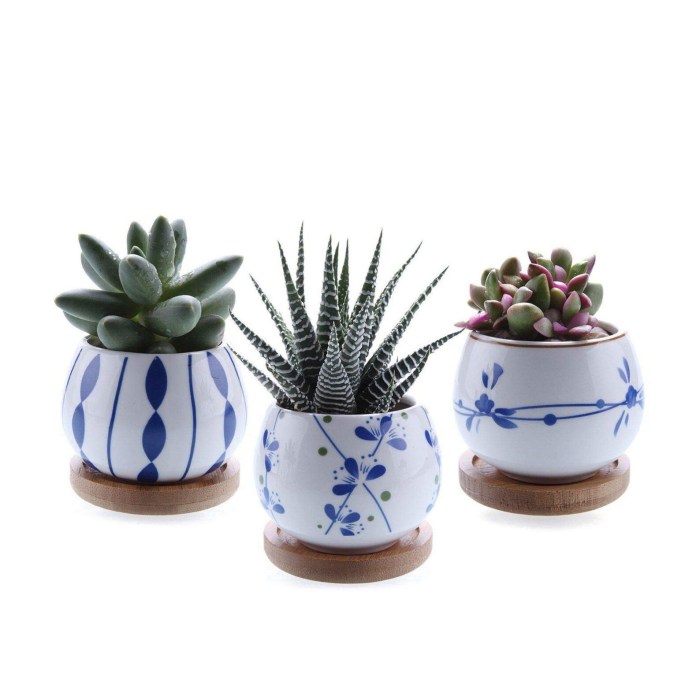
In conclusion, the artistry of Japanese plant pots for tables transcends mere decoration. It’s a journey into a rich cultural heritage, expressed through meticulous craftsmanship, balanced composition, and a deep respect for nature. By understanding the principles of Japanese aesthetics and applying the practical advice presented here, you can elevate your tabletop displays to a new level of sophisticated beauty and serene harmony.
From selecting the perfect pot to choosing the right plant companion, this guide offers a complete and inspiring approach to incorporating Japanese aesthetics into your home.
